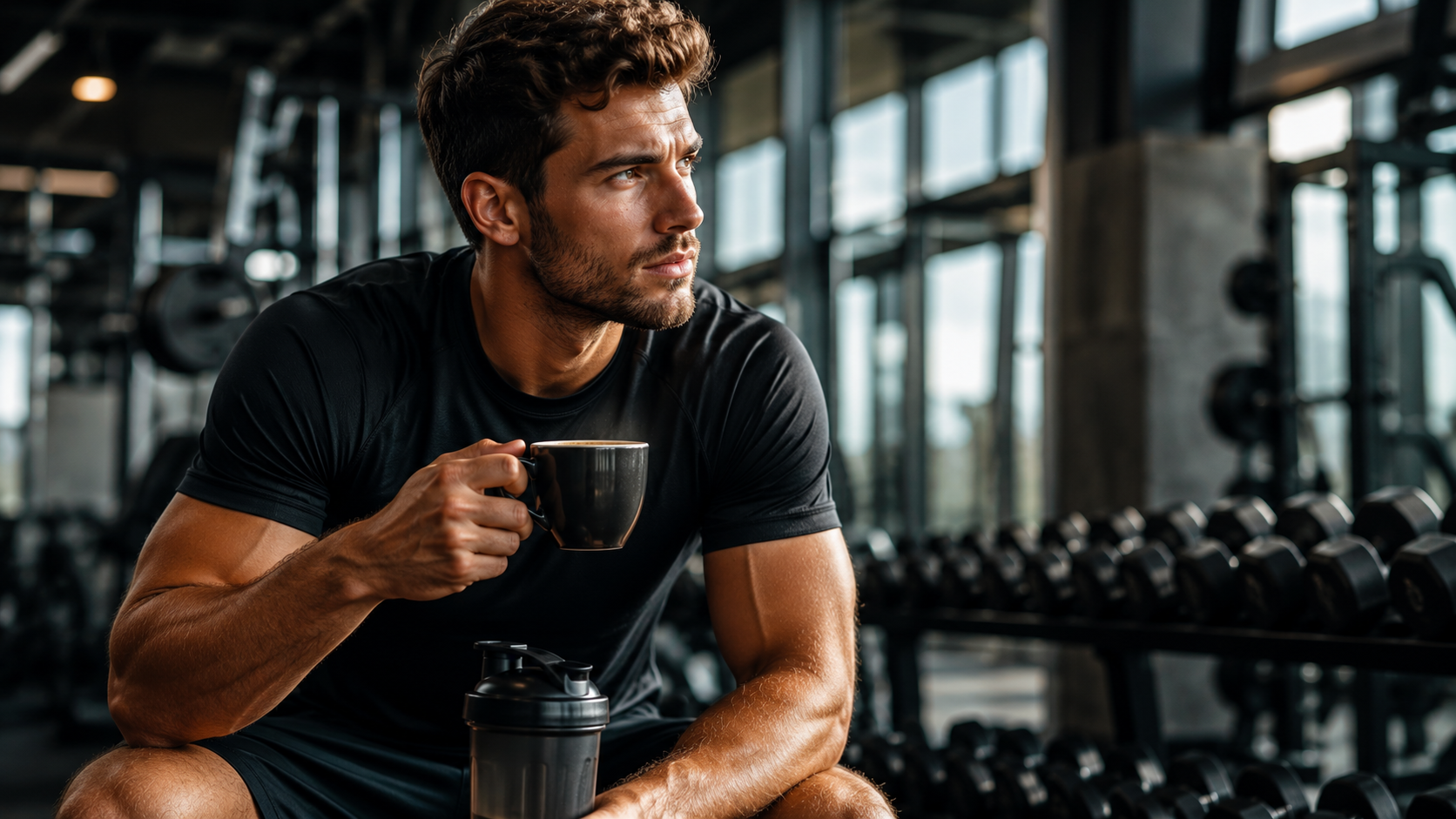
Caffeine is the world’s most consumed psychoactive substance and one of the most extensively studied performance-enhancing compounds available. Unlike most supplements, caffeine’s mechanisms are well-understood, its effects are reproducible, and the evidence base is unusually robust.
Understanding caffeine properly how it works, how to dose it, and its limitations lets you use it strategically rather than just habitually.
How Caffeine Works
Caffeine’s primary mechanism is adenosine receptor antagonism. Adenosine is a neurotransmitter that accumulates in the brain during wakefulness and promotes sleep pressure and fatigue. Caffeine structurally resembles adenosine and competes for the same receptors without activating them blocking the fatigue signal.
This caffeine mechanism leads to:
- Increased dopamine and norepinephrine release (alertness, motivation, mood)
- Elevated adrenaline secretion, increasing heart rate and mobilizing energy
- Reduced perception of effort and pain during exercise
- Improved neuromuscular firing efficiency
Source: International Society of Sports Nutrition Caffeine and Exercise Performance
Evidence-Based Caffeine Performance Effects
Endurance performance: The strongest and most consistent evidence for caffeine. Meta-analyses show caffeine increases time to exhaustion by 24% and reduces time trial completion time by 2–4%.
Strength and power: Consistent improvements in maximal force, peak power output, and repetitions to failure with caffeine. Effect size is smaller than for endurance but still meaningful (3–7% improvement).
Cognitive performance: Caffeine improves reaction time, sustained attention, working memory, and vigilance particularly under sleep deprivation or fatigue.
Fat oxidation: Caffeine increases fat oxidation rates during exercise. The contribution to long-term fat loss is small, but the metabolic effect of caffeine is real.
Caffeine Dosing for Performance
Effective dose: 3–6 mg/kg of body weight. For a 75kg person, this is 225–450 mg caffeine. Most coffee contains 80–120 mg per cup.
Timing: Peak plasma caffeine levels occur 30–60 minutes after ingestion. Consume caffeine 45–60 minutes before training for optimal effect.
Ceiling effect: Doses above 6 mg/kg don’t provide additional caffeine performance benefit and increase side effect risk.
Caffeine Tolerance and Strategic Use
Regular caffeine consumption leads to adenosine receptor upregulation, partially attenuating performance and alertness effects over time. Strategies for preserving caffeine’s effectiveness:
- Use caffeine specifically around key training sessions or events rather than daily
- Take 1–2 week caffeine reduction periods to restore baseline receptor sensitivity
- Reserve higher caffeine doses for competitions or key training sessions
Caffeine Side Effects and Safety
Anxiety and jitteriness: Dose-dependent with caffeine. More common at doses above 4 mg/kg.
Sleep disruption: Caffeine’s half-life is approximately 5–6 hours. Late-day caffeine disrupts sleep architecture even when subjective sleep quality seems unchanged.
Cardiovascular: Moderate caffeine (up to 400 mg/day) is safe for most healthy adults. People with cardiac arrhythmias should be cautious.
Dependence: Physical dependence develops with regular caffeine use. Withdrawal symptoms include headache, fatigue, and irritability.
Ready to find the best caffeine supplement? Compare top-rated options, read real reviews, and find the right product for your goals. Compare supplements now.
The Bottom Line
Caffeine is a genuinely effective performance enhancer with one of the strongest evidence bases in sports nutrition. Used strategically at appropriate doses before key training sessions caffeine delivers real, measurable benefit. The primary mistakes are dosing too high, timing too late in the day, and relying on caffeine so habitually that you lose the acute performance benefit.
Frequently Asked Questions
Does coffee provide the same caffeine benefits as supplements?
At equivalent caffeine doses, yes. Coffee contains other compounds that may modify the response slightly, but for pure performance purposes, the caffeine dose is what matters. Caffeine tablets offer precision; coffee offers palatability and additional bioactives.
How long before a workout should I take caffeine?
45–60 minutes before training is optimal, aligning with peak plasma caffeine concentration. For early morning training, consume caffeine immediately upon waking and warm up for 45–60 minutes.
Does caffeine cause dehydration?
At moderate doses (up to 300–400 mg), no. The diuretic effect of caffeine is mild and largely offset by the fluid volume in which it’s consumed. Caffeine counts toward daily fluid intake.
Is caffeine safe during pregnancy?
Current guidelines recommend limiting caffeine to under 200 mg/day during pregnancy. Higher caffeine intake is associated with increased risk of miscarriage and low birth weight.
Why does caffeine stop working for some people?
Caffeine tolerance. Regular daily caffeine consumption upregulates adenosine receptors. A 7–14 day period of reduced or zero caffeine is usually sufficient to restore most baseline caffeine sensitivity.