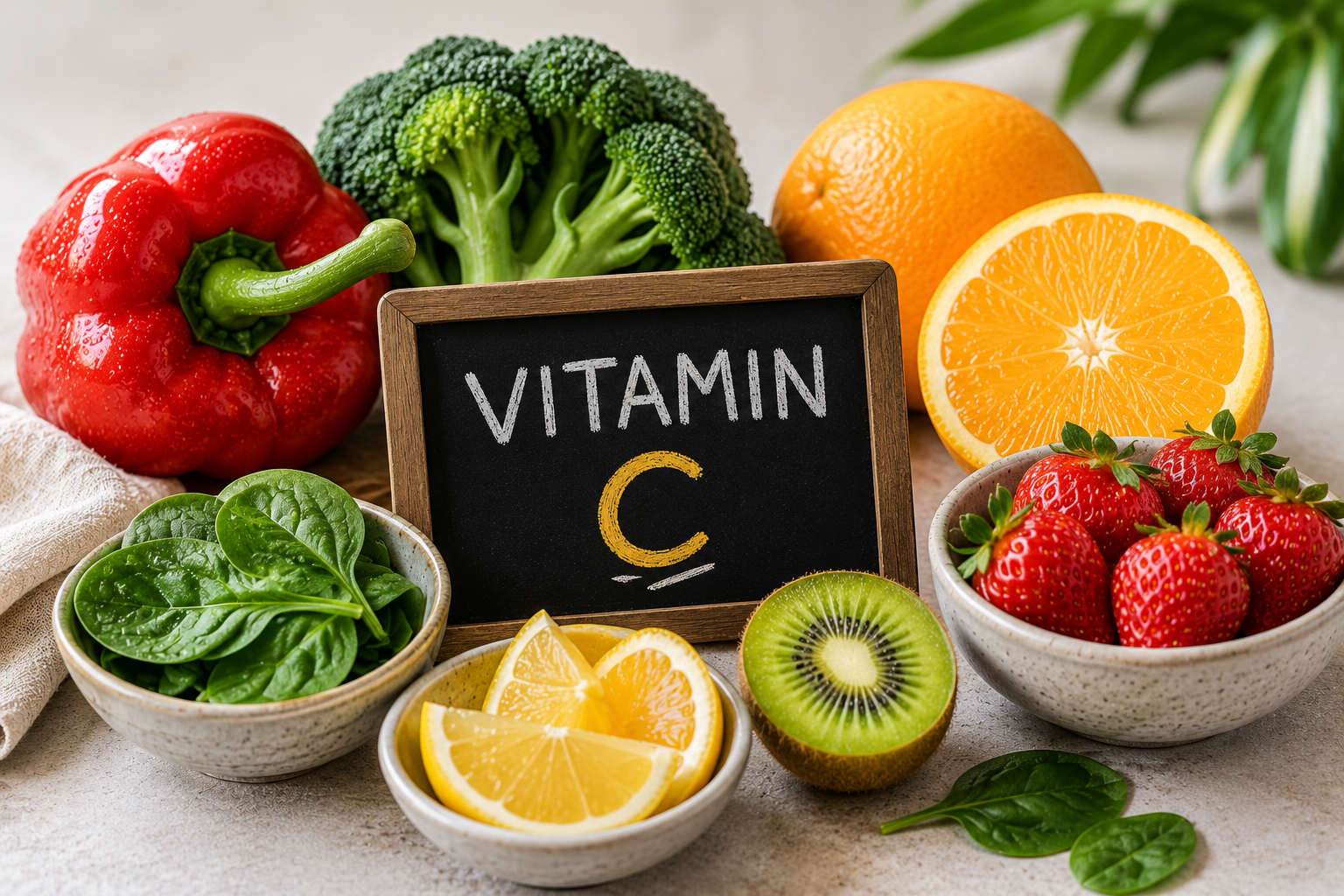
Vitamin C is probably the most supplemented nutrient in the world. It’s also one of the most misrepresented. The cold-curing claims go well beyond what the evidence supports. But the actual functions of vitamin C which are considerable get less attention than the marketing does.
Here’s a clear-eyed look at the 5 proven benefits of vitamin C, what the research shows about colds, and what a sensible supplementation approach looks like.
5 Proven Benefits of Vitamin C
- Antioxidant protection: Vitamin C is one of the most potent water-soluble antioxidants in human physiology. It neutralizes free radicals that damage cells, proteins, and DNA and regenerates other antioxidants including vitamin E.
- Collagen synthesis: Vitamin C is essential for forming stable collagen. Without it, collagen production fails. This is the mechanism behind scurvy and why vitamin C matters for skin, wound healing, cartilage, and blood vessel integrity.
- Iron absorption: Vitamin C converts ferric iron to ferrous iron, the form more readily absorbed in the gut. Taking vitamin C alongside non-heme iron (from plant sources) meaningfully increases absorption.
- Immune function: Vitamin C accumulates in high concentrations in immune cells, supporting their function and protecting them from oxidative damage. It also maintains epithelial barrier function the physical first line of defense against pathogens.
- Cardiovascular health: Vitamin C reduces oxidative stress, improves endothelial function, and lowers LDL oxidation. Some clinical trials show modest blood pressure reductions with regular vitamin C supplementation.
Source: NIH Office of Dietary Supplements Vitamin C Fact Sheet
What the Research Says About Colds
The popular belief that vitamin C prevents colds is not supported by evidence. A landmark Cochrane review of 29 trials found that regular vitamin C supplementation did not reduce cold incidence in the general population.
Where the evidence is more supportive: regular supplementation modestly reduces cold duration (by about 8% in adults), and people under heavy physical stress marathon runners, soldiers in cold environments do show reduced cold incidence with consistent vitamin C intake.
Vitamin C won’t stop you getting a cold. But consistent intake does influence how long and how severely you’re affected.
Best Food Sources of Vitamin C
| Food | Vitamin C per serving |
| Red bell pepper (1/2 cup) | 95 mg |
| Orange (1 medium) | 70 mg |
| Kiwi (1 medium) | 64 mg |
| Broccoli (1/2 cup, cooked) | 51 mg |
| Strawberries (1/2 cup) | 49 mg |
The RDA for vitamin C is 75–90 mg/day for adults. Smokers need an additional 35 mg/day smoking accelerates vitamin C depletion. Most people eating vegetables and fruit regularly meet this without supplementation.
How to Supplement Vitamin C
Standard dose: 500 mg/day covers most supplementation goals for vitamin C and is well within the safe range.
Upper limit: 2,000 mg/day. Above this, GI discomfort and diarrhea become common. Very high chronic doses increase kidney stone risk in susceptible individuals.
Form: Standard ascorbic acid is effective and inexpensive. Buffered forms (sodium ascorbate, calcium ascorbate) are gentler on the stomach at higher doses.
Ready to find the best vitamin C supplement? Compare top-rated options, read real reviews, and find the right product for your goals. Compare supplements now.
The Bottom Line
Vitamin C is essential, but megadosing offers minimal benefit over adequate intake for most people. Eat a varied diet with vegetables and fruit, and you likely don’t need to supplement. If your diet is consistently low in these foods, a 250–500 mg vitamin C supplement is a reasonable, inexpensive option. The cold prevention claims don’t hold up; the collagen, immune, and antioxidant functions are real and well-documented.
Frequently Asked Questions
Does vitamin C help with skin?
Yes, through collagen synthesis. Adequate vitamin C is necessary for proper collagen production. Topical vitamin C serums also have evidence for reducing oxidative damage and improving skin tone. Oral supplementation supports the underlying biochemistry.
Can you take too much vitamin C?
From food, essentially no. From supplements, doses above 2,000 mg/day cause digestive issues including nausea, cramps, and diarrhea. Very high chronic doses increase the risk of kidney stones in susceptible individuals.
Does vitamin C help wounds heal faster?
In people with low vitamin C status, supplementation demonstrably improves wound healing because collagen synthesis is impaired by deficiency. In people with adequate vitamin C levels, supplementation doesn’t speed healing further.
Do I need more vitamin C when I’m sick?
Illness and physical stress increase vitamin C utilization and excretion. During acute illness, supplementing 1–2g/day is reasonable and low-risk. Chronic psychological stress doesn’t clearly increase requirements to the same degree.
Is liposomal vitamin C better than regular vitamin C?
Liposomal vitamin C claims superior absorption, but clinical evidence for meaningful superiority over standard ascorbic acid at equivalent doses is limited. Standard vitamin C is effective and significantly more affordable.